
Key Technology

Three Mechanisms.
One Smart Label.

WiseLabel's colour change is driven by three independent but synergistic chemical mechanisms, each calibrated to real-world textile use conditions — delivering a precise, legible lifecycle signal with no electronics, no app, and no user effort.

Smart Colour-Changing Indicator Label

How the Visual Change Appears Over Time

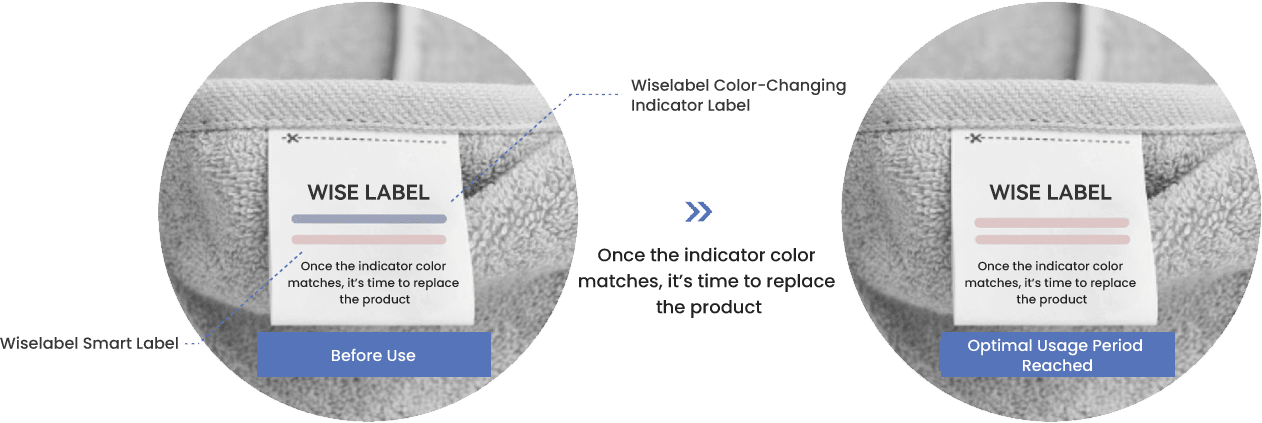
The label responds to real textile conditions — cumulative washing, oxidation, and material fatigue. As the product moves through its lifecycle, the colour transitions gradually and becomes an unmistakable replacement signal.

WiseLabel Brand New
Stage 1 Before Use Brand New
WiseLabel Still Fresh
Stage 2 ~1 Week Still Fresh
WiseLabel Aging
Stage 3 ~45 Days Aging
WiseLabel Replace Now
Stage 4 ~90 Days Replace Now

Patent-Pending Chemistry

What Drives the Colour Change

Three independent mechanisms work together to create a signal that reflects actual product use — not just time elapsed.

Dry-Wet Fatigue Oxidation diagram
01

Dry-Wet Fatigue Oxidation

Every wash cycle accelerates the molecular transformation

Repeated wet–dry cycling causes mechanical stress at the molecular level. Oxidation reactions triggered by water, detergent, and heat drive irreversible changes in the chromophore bonds — causing the gradual, controlled colour shift.

Wash-activatedCumulative effectIrreversible by design
Air Free Radicals diagram
02

Air Free Radicals

Oxygen and ozone contribute to the lifecycle signal

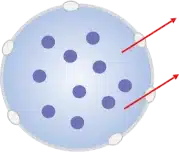
Hydroxyl (OH·), superoxide (O₂⁻), and nitric oxide (NO·) radicals present in ambient air interact with the label chemistry during drying and storage phases — adding a secondary, time-based degradation layer that reflects real-world aging.

OH· hydroxylO₂⁻ superoxideNO· nitric oxide
Specific Compound Activation diagram
03

Specific Compound Activation

Targeted chromophore compounds calibrated per textile category

The core colour-change compound is a leuco dye system encapsulated in a polymer matrix. Specific activator compounds are blended per textile category — tuning the transition speed for underwear, towels, babywear, or hospitality linen with precision.

Leuco dye systemCategory-calibratedPolymer matrix

Research Partnerships

University-Backed Science

WiseLabel technology has been validated through ongoing research collaboration with textile science departments at leading universities worldwide.

Certification & Integration

Safe, Certified, and OEM-Ready

🛡️

OEKO-TEX Certified

All chromophore compounds and polymer carriers are certified non-toxic and skin-safe — including for babywear and close-to-skin applications.

🔬

ISO 9001 Manufacturing

Label production follows ISO 9001 quality management standards, ensuring consistent colour transition behaviour across every batch.

📐

OEM-Ready Integration

Integrates with standard woven and printed care label workflows. No changes to machinery or production line required.

⚙️

Category Calibration

Transition speed, starting colour, and end-point colour are all adjustable per SKU — underwear, towels, bedding, and hospitality linen each have distinct profiles.

WiseLabel before and after — colour match signals replacement

The Replacement Signal

When the Colours Match — It's Time

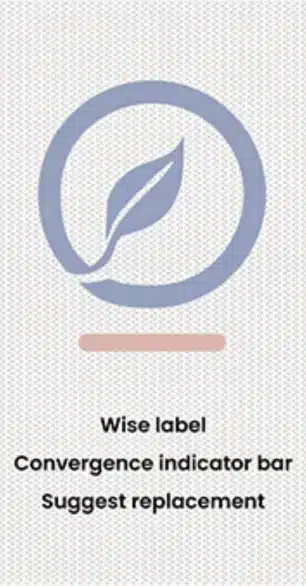
The label design includes a reference swatch printed beside the lifecycle indicator. When the live colour matches the reference, the consumer knows the product has reached end-of-life. No interpretation required — the label speaks for itself.

See Full Lifecycle →

Evaluate the technology

Request samples and see the colour change in your hands.

Physical samples are the fastest way to evaluate whether the chemistry and calibration fit your product category. No commitment required.